At Home Therapy
At Home Therapy
Trusted by Individuals Across Hampshire

Your safe space to feel heard, understood, and at home with yourself

A warm, supportive space to explore life's challenges, strengthen relationships, and reconnect with yourself.

Hero
About Us

About At Home Therapy

Welcome to At Home Therapy

At Home Therapy was created around a simple belief: people shouldn’t have to fit into a box to access the right support.

Everyone comes to therapy with their own experiences, needs and way of understanding the world. What feels helpful for one person may not feel right for another. That’s why At Home Therapy aims to shape its support around the individual, rather than expecting the individual to fit a particular way of working.

At the heart of our approach is the relationship between client and therapist. We work relationally, recognising that feeling safe, understood and genuinely connected with your therapist can be an important part of the therapeutic process. Finding the right counsellor matters, and we want clients to feel able to be themselves within the therapy room.

Our counsellors bring different areas of experience and specialist interest, allowing us to consider not only what someone may be experiencing, but also which therapist may be best placed to support them.

We have particular experience of working with grief and loss, menopause and perimenopause, and compulsive sexual behaviour (CSBD).

We recognise that grief doesn't only follow a death. You can grieve a relationship, a stage of life, a future you imagined or even parts of yourself. Sometimes you may not recognise what you're experiencing as grief at all — you simply know that something has changed and you don't quite feel like yourself anymore.

These experiences rarely sit neatly in isolation. They can affect relationships, identity, self-esteem, emotional wellbeing and how someone experiences themselves and the world around them.

You don't need to arrive knowing what type of therapy you need, having a diagnosis or being able to explain everything you're feeling. Sometimes the starting point is simply knowing that something doesn't feel right.

At Home Therapy offers a space to begin from there — finding the support, therapist and way of working that feels right for you.

Because therapy isn't about fitting into a box.

It's about finding a space where you can feel at home with yourself.

Ready to take the next step?

You don't need to know which counsellor or type of therapy is right for you. Get in touch and tell us a little about what has brought you here. We can help you explore what you're looking for and find the therapist within At Home Therapy who feels like the right fit.

Get in touch to arrange a free 15-minute introductory call.
About

Meet the team

Tailored counselling for your unique needs.

Therapy with Holly

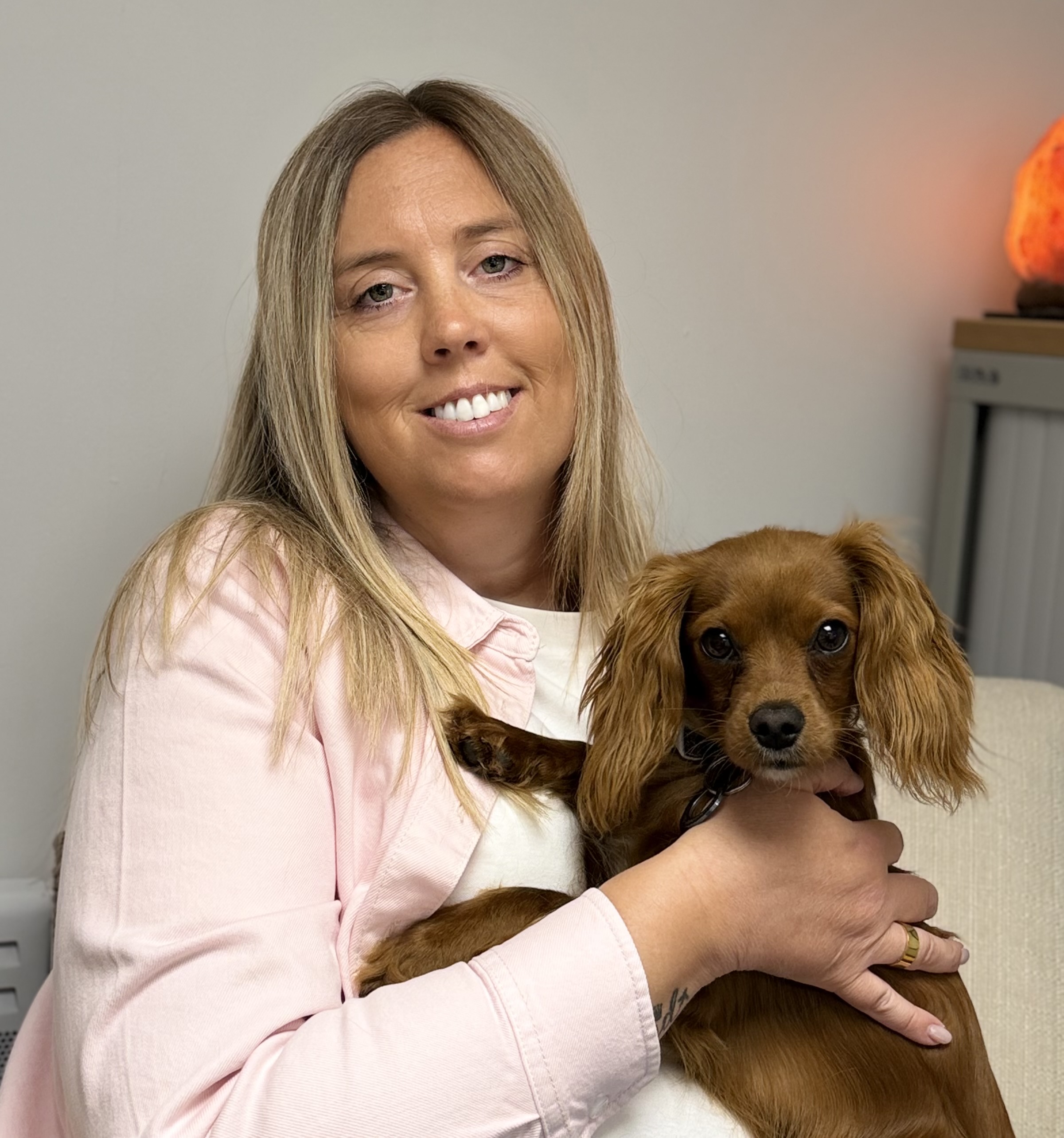
Holly is a person-centred counsellor and relationship therapist offering a warm, supportive space where clients can feel heard, understood and able to be themselves without judgement.

Holly understands that people don’t always come to therapy knowing exactly what is wrong or what they want to change. Sometimes there is simply a feeling of being stuck, overwhelmed, disconnected or no longer quite feeling like yourself.

Her approach is grounded in person-centred therapy, meaning the client remains at the heart of the work. Rather than telling clients how they should feel or what they should do, Holly works with curiosity, compassion and honesty, helping clients explore what is happening for them and gently challenging patterns where this may be helpful.

Menopause and life transitions
Holly has a particular interest in supporting women experiencing perimenopause and menopause and the emotional impact this stage of life can bring.

Menopause can be about much more than physical symptoms. Changes in mood, confidence, relationships, identity and body image can sometimes leave women feeling as though they no longer recognise themselves.

This stage of life can also coincide with other significant changes. Children may be growing up and needing you differently, relationships can shift, caring responsibilities may increase, or you may find yourself questioning what you want from the next stage of your life.

Therapy can offer a space to explore these experiences without everything being dismissed as “just hormones”, while beginning to understand and reconnect with the person underneath all of the change.

Grief, loss and suicide bereavement
Grief and loss are also an important part of Holly’s therapeutic work. Alongside her private practice, Holly works as an Associate Therapist for a suicide bereavement charity, supporting adults who have experienced the death of someone through suicide.

Holly recognises that grief does not follow a neat pathway or predictable timeline. It can include sadness, anger, guilt, confusion, relief, unanswered questions and emotions that may feel difficult to understand or talk about.

Suicide bereavement can bring additional complexities, particularly around unanswered questions and trying to make sense of what has happened.

Holly does not believe there is a right way to grieve. Her approach is about sitting alongside each person as they explore what their loss means to them and how they can continue living while carrying what has happened.

Relationship therapy
When working with couples, Holly recognises that it isn’t always a single event that brings people to therapy.

Couples may feel they no longer know how to talk to one another, or find that conversations become stuck, misunderstood or lead to distance rather than connection. Life changes such as parenthood, children growing up, menopause, bereavement or changing roles can also alter the dynamics of a relationship.

Holly provides a space for couples to slow things down and become curious about what may be happening beneath the conflict or disconnection.

Relationship therapy with Holly can explore communication patterns, individual needs and how past relationships and families of origin may be influencing the relationship today. Couples can also begin to look ahead at what is important to each of them and what they would like their relationship to look and feel like moving forward.

At home with yourself
Alongside her professional training, Holly brings lived experience of mental health difficulties, including OCD. This has contributed to her understanding of how complex and isolating emotional difficulties can sometimes feel and the importance of being genuinely heard without judgement.

Clients do not need to arrive at therapy with the right words or a clear idea of where to begin. Holly offers a space to explore whatever is happening at the client's own pace.

At the heart of Holly’s work is the belief that therapy can provide a space to feel at home with yourself.

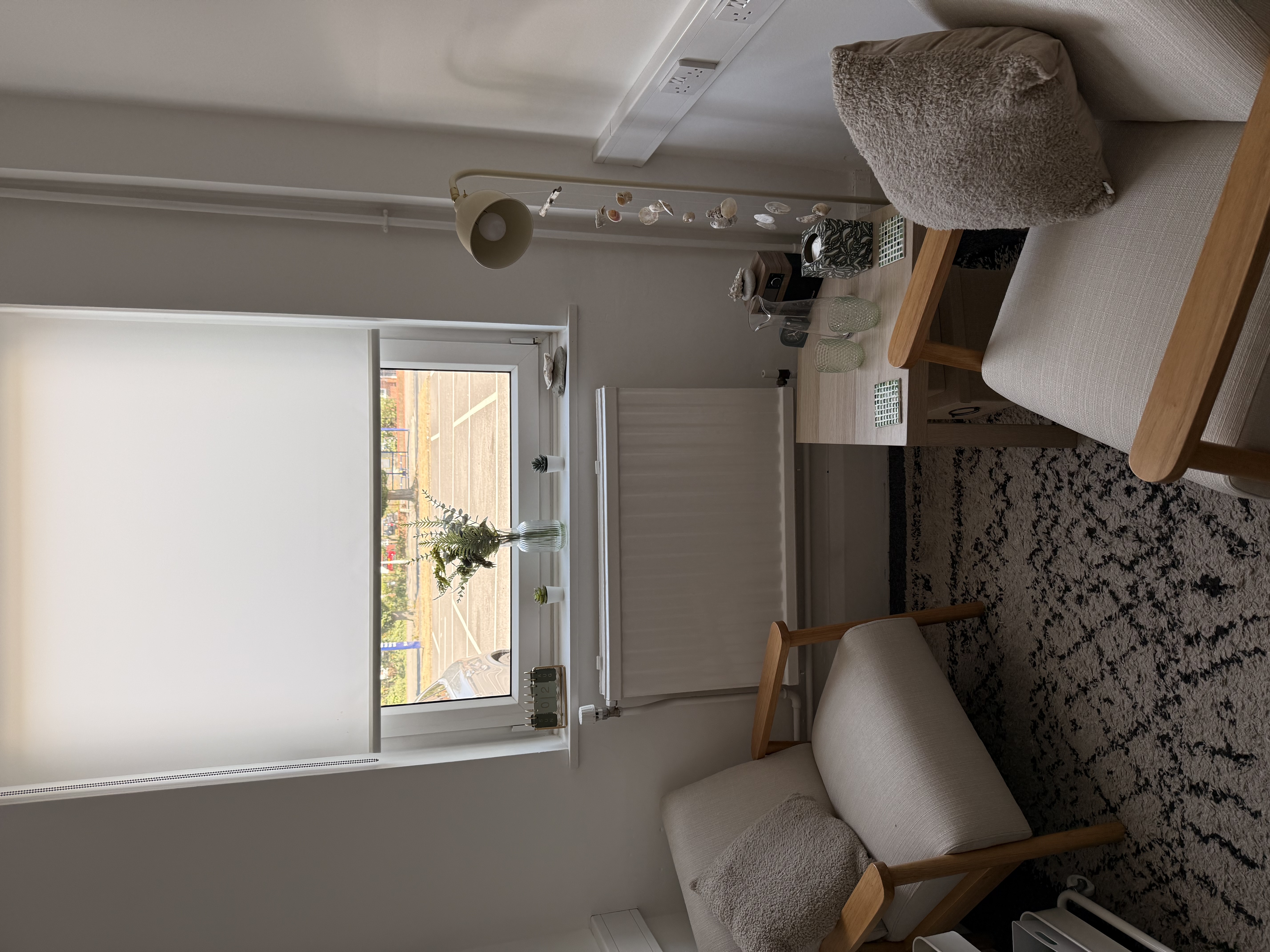
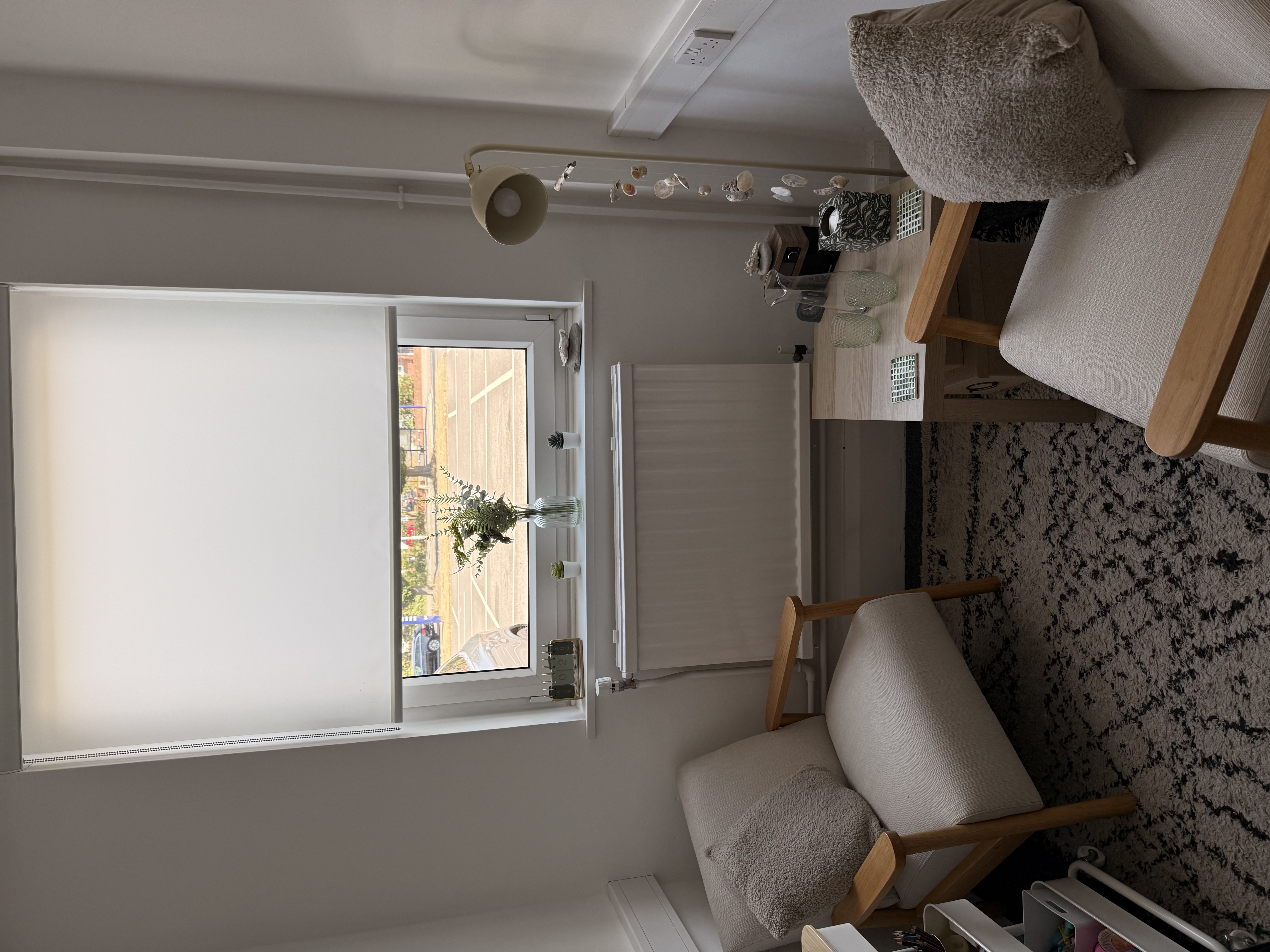
Holly works with adults and couples from her private counselling space at Trafalgar House, Portchester, as well as offering online counselling across the UK.

Fees
Individual - £60 - 50 minute session
Couples - £80 - 50 minute session
Couples - £100 - 80 minute session

Therapy with Josh

After experiencing the profound impact of both individual and group counselling, Josh developed a strong desire to give back by supporting others affected by sexual compulsive behaviours or sex addiction. This led him to train and work alongside Nathan Jones, at the London Centre for Addictions, developing an integrative therapeutic approach.
 
Josh brings both lived understanding and professional training to his work, allowing him to meet clients with empathy, honesty, and respect. He offers a safe, confidential, and non-judgemental space where individuals can explore difficult thoughts, emotions, and experiences at their own pace. He believes that meaningful change begins with feeling genuinely heard and understood, and he works collaboratively to support insight, growth, and self-awareness.
His work is grounded in the understanding that recovery is not only about changing behaviours, but about reconnecting with oneself and others in healthier and more fulfilling ways. 
 
Through reflective dialogue, gentle exploration, and practical tools, Josh supports clients in building resilience, clarity, and self-compassion, helping them move forward with greater balance, confidence, and purpose.
 
Approach 
I work with adults (18+) online and In-Person, who are experiencing Compulsive Sexual Behaviour Disorder (CSBD) and related difficulties, including:

Pornography and online sexual addiction (problematic porn use)
Infidelity and secretive sexual behaviours
Difficulties with trust, intimacy, or commitment
Shame, anxiety, and low self-worth connected to sexuality
· Sexual confidence and performance anxiety

Out of control sexual behaviours 
 
Training, qualifications & experience

Training, qualifications & experience

Accredited, British Association for Counselling and Psychotherapy (BACP)
DBS certificate
Trauma informed trained
Inner child work
 

Through my training I worked for a charity supporting young adults, with issues of anxiety, depression, suicidal ideation and other presenting issues.

I attend regular training, seminars, and conferences, for professional and personal growth and to further my knowledge. This allows me to continually increase my knowledge and skills to support my clients.
 
What to expect
Therapy available online via Zoom (no account required)
In-Person on Fridays – Portchester, Hampshire.
Daytime and evening appointments available to fit around your schedule

Free 20 minutes consultation – for both you and I to explore what you need

If this resonates with you, then please reach out to arrange our consultation and start your journey.

Fees 
£65 - 50 minute session

Professional Qualifications & Affiliations

Our commitment to ethical and effective practice is underpinned by extensive training and professional affiliations. Here’s a summary of our qualifications and the professional bodies that regulate our work.

Holly's Qualifications & Professional Experience

Holly holds a Diploma in Higher Education (DipHE) in Humanistic Counselling, awarded with Merit by the University of Portsmouth. Her training is grounded in person-centred practice and supports the relational approach she brings to her work with clients.

Holly is a registered member of both the British Association for Counselling and Psychotherapy (BACP) and the National Counselling and Psychotherapy Society (NCPS). She works in accordance with their professional and ethical standards, with a commitment to safe, ethical and respectful therapeutic practice.

She is also a member of Hampshire Counsellors and Psychotherapists, connecting her with a wider network of counselling professionals across the local area.

Holly has undertaken further specialist training in relationship therapy, completing The Playbook, a comprehensive couples therapy training programme recognised by the National Counselling and Psychotherapy Society (NCPS). This has developed her knowledge and skills in working therapeutically with couples, including relationship dynamics, communication, conflict, attachment, intimacy and connection.

Alongside her work at At Home Therapy, Holly is an Associate Therapist with Suicide&Co, a national charity providing specialist support to people who have been bereaved by suicide. This work has given Holly further experience of supporting people with the complexity of grief and loss, including the difficult emotions and unanswered questions that can accompany bereavement.

Find out more about Suicide&Co:
https://www.suicideandco.org/

Josh's Qualifications & Professional Experience

Josh holds a Diploma in Higher Education (DipHE) in Humanistic Counselling from the University of Portsmouth. His training is grounded in person-centred practice, with the therapeutic relationship at the heart of his work with clients.

Josh is a registered member of both the British Association for Counselling and Psychotherapy (BACP) and the National Counselling and Psychotherapy Society (NCPS). He works in accordance with their professional and ethical standards, with a commitment to providing safe, respectful and non-judgemental therapeutic support.

Alongside his work at At Home Therapy, Josh is an Associate Counsellor with the London Centre for Addictions, where his work has developed his experience of supporting clients affected by addiction and compulsive behaviours.

This experience contributes to Josh's particular interest in working with compulsive sexual behaviour (CSBD) and the wider emotional, relational and behavioural difficulties that can accompany it.

Find out more about the London Centre for Addictions:
https://compulsivesexualbehaviour.co.uk/

Common Myths

Dispelling common misunderstandings and encouraging you to seek support.

Myth 1: 'I don't have a diagnosed mental health condition, so therapy isn't for me.'

Counselling can be helpful for many reasons, including diagnosed mental health conditions, fears, phobias, or experiences of loss and grief.

For some people, there may not be a clear or specific reason for seeking support. It might be linked to a life stage change, low self-esteem, or a sense of feeling stuck or unsure.

All of these experiences are equally valid. Counselling offers a space to explore what is happening for you, helping you gain understanding, clarity, and find ways forward that feel right for you.

Myth 2: 'Getting help means I am weak.'

Reaching out for help can often feel like the hardest part of seeking counselling. For many people, taking that first step can feel uncertain or overwhelming. 

Choosing to seek support reflects courage, strength, and self-awareness, even if it doesn’t feel that way at the time.

Making the decision to reach out is a meaningful step towards caring for yourself and recognising that you don’t have to manage everything alone.

Myth 3: 'I will have to talk about my childhood.'

Counselling can explore the past and your childhood experiences; however, it can also focus on the here and now.

You will always be in control of what you choose to share.
FAQ

Frequently Asked Questions

Your questions answered.

Your counselling frequency is completely tailored to your needs. We'll discuss and adjust our schedule as you progress, as I believe support should be individual, not a one-size-fits-all approach.
We can explore options like:
  • **Weekly sessions:** For consistent, intensive support during challenging times.
  • **Fortnightly sessions:** Allowing more time for reflection between sessions or to fit around busy schedules.
  • **Monthly sessions:** Ideal for ongoing check-ins or maintenance when you feel more settled.
  • **Ad hoc sessions:** For flexible support arranged on an as-needed basis, subject to availability.

We'll regularly review what feels right for you.
Each session lasts for 50 minutes, allowing you to explore your thoughts and feelings during that dedicated time.
Counselling can be beneficial regardless of diagnosis. Many seek support for life changes, self-esteem issues, or feelings of being stuck.
Yes, online therapy is increasingly popular and equally effective for many clients. It offers the convenience of accessing professional support from anywhere in the UK, making it easier to fit counselling into your life.
Your privacy and confidentiality are paramount. All client information, including any health details, is treated with the utmost discretion and never disclosed without your consent, unless legally required. Our full privacy policy is available upon request and online, and we'll discuss it with you during our initial sessions to ensure you're fully informed and comfortable.
If things feel too much right now, it’s okay to reach out.

You don’t have to face it alone—there are people ready to listen and support you, anytime.

Samaritans – Call 116 123
Shout – Text 85258
Mind – Call 0300 123 3393 or text 86463

If you feel in immediate danger, please call 999


I aim to keep my pricing clear and consistent, ensuring you can choose what feels right without financial pressure influencing your decision. All sessions are charged at the same rate, regardless of frequency.
  • **Individual sessions:** £60 per 50-minute session
  • **Couples sessions:** £80 per 50-minute session

If cost is a concern, please feel free to discuss this with us. All conversations about fees are approached with sensitivity, respect, and confidentiality. We offer a limited number of reduced-rate sessions for those experiencing financial difficulty, and also a reduced student rate, both subject to availability.
**Payment & Cancellations:** Payment is required prior to each session. We ask for a minimum of 48 hours' notice for cancellations or rescheduling; sessions cancelled with less notice may incur a charge, except in exceptional circumstances.
There is no set time for counselling. Some people come with a specific issue and finish once they feel they have worked through it. Others find regular sessions helpful for maintaining their mental wellbeing, while some choose to dip in and out as needed.

The pace and duration of our work together are always led by you.
In person-centred counselling, advice is not given in the traditional sense. Instead, we focus on supporting you to explore your own thoughts, feelings and experiences in a safe, non-judgmental space.

We believe that you are the expert in your own life, and through being listened to and understood, you can find a clarity that wasn't there before and make choices that feel right for you. 
Person-centred counselling is a humanistic approach that focuses on your unique experience and potential. Rather than being told what to do, you are empowered to explore your thoughts and feelings in a safe, non-judgmental space. Our role is to offer empathy, warmth, and genuine understanding, helping you gain clarity and find a path forward that feels authentic to you. It's about trusting your inner resources and becoming the expert of your own life.
Person-centred counselling thrives on a collaborative relationship where you lead the agenda. If you're looking for a non-directive approach that empowers you to explore your own thoughts and feelings in a safe, non-judgmental space, then this approach is likely a good fit. It's ideal for those who want to gain self-understanding, clarify their values, and find their own solutions, rather than being told what to do.
Absolutely. I offer a free, no-obligation 15-minute introductory call. This is a chance for us to discuss what you're looking for, for you to ask any questions you might have about my approach, and for us to see if we feel like a good fit. There's no pressure to commit, and it's a helpful step in deciding if counselling with me is right for you.
While the core principles of person-centred counselling remain, the focus shifts. In individual therapy, the journey is deeply personal, exploring your unique thoughts, feelings, and experiences. In couples therapy, the 'client' becomes the relationship itself. We explore the dynamics between you, communication patterns, and how your individual experiences impact the shared space, to foster greater understanding and stronger connection for both partners.

Blogs

Fathers Day - June 2026

Father's Day

Every year, when the shops begin stocking up on Father's Day cards and gifts, I feel that familiar knot in my stomach. The quiet awareness that there is going to be a month of looking at things and wishing things were different.

Then come the emails.

"Would you like to opt out of Father's Day marketing?"

As well-meaning as they are, I often find myself wishing I didn't receive the emails at all. Having to tick the box and then receive the confirmation that I won't be sent any more Father's Day content somehow hits just as hard. A black and white reminder that things are different now.

Then I find myself thinking back to the years when I didn't have one dad to visit, but two. A dad and a stepdad. I remember the juggling act, trying to fit everyone in, wondering how I was going to please everybody. At the time, it sometimes felt inconvenient. Sometimes frustrating.

If only I had known then that thirteen years later I would be sitting here without either of them, wishing I still had the problem of trying to fit them both in.

And then comes the guilt.

Why didn't I appreciate those moments more? Why did I ever see it as an inconvenience to spend time with people I loved? Why didn't I realise how precious those ordinary Father's Days really were?

There is also the guilt of knowing that my husband deserves a lovely Father's Day too. Wanting to celebrate him and everything he does as a dad, whilst at the same time not wanting to go anywhere near the Father's Day cards, gifts, or displays. Not wanting to acknowledge their existence at all.

Grief can be strange like that. It can hold two seemingly opposite truths at the same time. I can be grateful that my children still have their dad while simultaneously missing mine.

I could sit in that place for quite a while.

Guilt is good at pulling us down. It sits heavily in the stomach and quietly reminds us of all the things we didn't do, the things we wish we'd said, and the moments we wish we'd appreciated more.

But when I step back into my rational mind, I can say with complete conviction that I have nothing to feel guilty about. I spent time with my dad and my stepdad. We shared Father's Days together. There were cards, meals, conversations, laughter, and memories.

The problem is that grief doesn't live in the rational part of our brain.

Grief shows up when we're alone in the car. When a song unexpectedly takes us somewhere we weren't prepared to go. When we walk past a display of Father's Day cards and find ourselves wishing we had to choose one.

Perhaps that is one of the hardest parts of grief. Knowing you have nothing to feel guilty for and still feeling guilty anyway. Knowing you loved them and still wishing you had done more. Knowing you made memories together and still wanting just one more conversation, one more hug, or one more Father's Day card to buy.

And perhaps that is what I am learning about grief. It isn't just missing the person. Sometimes it is missing the opportunities. Missing the ordinary moments that once felt routine. Missing the things we never imagined we would lose.

Father's Day can be a celebration for many people. But for many others it is complicated. It can bring sadness, longing, regret, gratitude, anger, love, or all of those things at once.

If Father's Day feels difficult for you this year, whatever your reason, you are not doing grief wrong.

You are simply missing someone.

Learning That Your Needs Matter Too - July 2026

Learning That Your Needs Matter Too

How we learn to put others first, and how we can gently begin finding our way back to ourselves.

There comes a point for many of us when we realise just how exhausted we feel. Not because life has suddenly become more difficult or because we've done anything wrong, but because somewhere along the way we've become so focused on looking after everyone else that we've forgotten to look after ourselves.

Perhaps you've found yourself agreeing to something before you've really had chance to think about it. You say yes to another favour, another commitment or another responsibility, telling yourself that you'll make time for yourself later. Yet somehow later never quite arrives. Instead, you begin to feel overwhelmed, emotionally drained or quietly resentful, wondering why you're struggling when all you've been trying to do is help.

One of the things I often notice in the therapy room is how easily people can tell me what everyone else needs. They can describe their partner's worries, their children's challenges, the pressures of work or the expectations placed upon them. Then I'll ask a simple question:

"What do you need right now?"

Very often, there is a long pause.

Not because they don't have needs, but because no one has asked them that question for a very long time. Somewhere along the way, they stopped believing that their own needs were just as important as everyone else's.

We learn these patterns

I don't believe people wake up one morning and decide that everyone else's needs matter more than their own. More often, these patterns develop gradually through our experiences and relationships.

As children, we learn what helps us feel safe, accepted and loved. For some, that may have meant being the child who never caused any trouble. Others may have learned to become the peacemaker, the responsible one or the person who always put everyone else first. Sometimes these messages are spoken aloud, but often they are much quieter, communicated through the roles we take on and the expectations we come to place on ourselves.

Over time, these experiences begin to shape the beliefs we carry into adulthood. We tell ourselves that we shouldn't let people down, that we should be able to cope, or that asking for help is a sign of weakness. Eventually, these beliefs become so familiar that we stop questioning them. They simply become part of who we think we are.

When kindness comes at a cost

Being kind, compassionate and supportive are wonderful qualities, and this isn't about becoming less caring. The difficulty comes when those qualities are always directed towards other people and never towards ourselves.

If we constantly ignore our own needs, it becomes harder to recognise when we're physically tired, emotionally overwhelmed or simply in need of rest. We may continue saying yes because it's what we've always done, even when every part of us is telling us that we have nothing left to give.

Over time, this can leave us feeling exhausted, disconnected from ourselves and unsure of what we actually need. We become so practised at asking, "What does everyone else need from me?" that we stop asking ourselves, "What do I need?"

It isn't that we've stopped having needs.

It's that we've stopped believing they deserve our attention.

Learning to pause

Change doesn't usually begin with suddenly becoming better at saying no or setting perfect boundaries. More often, it begins with becoming aware of the patterns we've been living by.

The next time someone asks something of you, see if you can resist the urge to answer immediately. Pause for a moment and gently ask yourself whether you genuinely want to say yes, whether you have the emotional or physical capacity to do so, and whether your answer is coming from a place of choice or from a fear of disappointing someone else.

Sometimes we discover that every yes we give to someone else is also a no to something we need ourselves. That might be our time, our energy, our rest or simply the opportunity to slow down.

That small pause may seem insignificant, but it can be the first time we've truly listened to ourselves in a very long time.

Boundaries are an act of self-respect

When people hear the word boundaries, they often imagine conflict, walls or pushing people away. In reality, healthy boundaries are much quieter than that.

Sometimes a boundary is simply saying, "I can't do that this week." It might be asking for time to think before giving an answer, letting someone know that the way they've spoken to you didn't feel okay, or recognising that you're not available because you need to rest.

Boundaries aren't about becoming selfish or caring less about others. They're about recognising that your wellbeing matters too. They allow you to care for others without constantly abandoning yourself in the process.

If you've spent years putting everyone else's needs first, your first boundary may feel uncomfortable. You might question yourself or worry that you've upset someone. That's understandable. You're not simply changing a behaviour; you're gently challenging beliefs that may have been with you for a very long time.

The people around you may also notice the change. Those who are used to you always saying yes may need time to adjust, but healthy relationships make space for everyone's needs, not just one person's.

Finding your way back to yourself

Learning that your needs matter isn't about becoming a different person. It's about reconnecting with the person you've always been underneath the expectations, responsibilities and roles you've carried for so long.

There will still be days when you say yes and later wish you'd said no. There will be moments when you fall back into familiar patterns because that's what feels comfortable. That doesn't mean you've failed; it simply means you're human.

Change rarely happens in one big moment. It grows through small acts of awareness, compassion and curiosity. Every time you pause, check in with yourself or choose to honour your own needs, you're taking another small step towards building a healthier relationship with yourself.

A moment to pause...

If you've recognised yourself in any part of this reflection, perhaps don't feel that you need to change everything overnight. Lasting change rarely comes from making dramatic promises to ourselves. More often, it begins with becoming aware of the patterns we've been living by for many years and gently asking ourselves whether they are still serving us.

The next time you find yourself about to say yes, see if you can pause for just a moment. Before thinking about what someone else needs from you, ask yourself what you need. You may not know the answer straight away, particularly if this isn't a question you've asked yourself for a long time, and that's okay. Learning to listen to ourselves again takes patience and practice.

Perhaps that's where change really begins. Not with saying no more often or setting perfect boundaries, but with believing that your thoughts, your feelings and your needs deserve the same kindness and consideration that you so freely offer to everyone else.

If this reflection has resonated with you, I hope it has given you something to think about. And if you're finding these patterns difficult to understand or change on your own, therapy can offer a safe and supportive space to explore them with compassion, curiosity and without judgement.
The days are long, but the years are short - August 2026

As the school holidays gently draw to a close, I always notice a bit of a pull in two different directions. Part of me wishes we had just a little more time, while another part is looking forward to the return of routine and structure.

This year, though, the end of the summer holidays feels a little different.

For the first time, I have worked throughout the summer. My son is 14 now, so realistically he doesn't need me at home in the way he once did. Yet what has surprised me is that the familiar feeling of guilt hasn't disappeared. 

There is still that little voice telling me I should be doing more, that we should have had more days out, made more plans or somehow made more of the summer.

And alongside that guilt, I've noticed something else this year. A heaviness that I think comes from knowing that this part of our lives is beginning to change.

My daughter is about to return for her final year of university, and my son is naturally reaching an age where friends and his own plans are becoming more important. I actively encourage that. I want both of them to have their independence, their own experiences and lives that don't revolve around me. But wanting that for them doesn't mean I don't feel the loss that comes with it too.

The day trips, activities and summers that once felt like they would go on forever are gradually becoming memories.

There is a saying I remember hearing many times when my children were younger:

“The days are long, but the years are short.”

I don't think I ever fully understood it until now.

When you're in the middle of parenting younger children, some of those days really are long. You're tired, you're needed constantly and sometimes you're just trying to get through the day. Then somehow, without really noticing it happening, those years have passed.

Now, I find myself watching both of my children moving towards their own next chapters. I am incredibly excited for them and for the futures they are beginning to create for themselves.

But I am also sad.

I think we can sometimes feel as though we're not supposed to admit that part. That if our children are happy, independent and moving forward, we should simply be proud and excited. And I am. But there is room for both.

I can be excited for the next chapter of their lives while grieving a little for the chapter that is ending.

Perhaps that's one of the less talked-about parts of parenting. Our children don't suddenly stop needing us; the way they need us changes. And while they are busy growing into the next versions of themselves, we have to work out who we are becoming too.

I don't think I'm quite ready for that next chapter yet.

Maybe I don't have to be.

For now, I think I just want to notice this moment for what it is. To be grateful for the summers we've had, to stop measuring this one by how much we did or didn't do, and to remind myself that being a good parent was never really about filling every day with activities.

As another summer comes to an end, perhaps the sadness is simply a reminder of how much these years have meant to me.

The days really were long.

I just didn't realise quite how short the years would be.

Menopause: What if your experience doesn't match the handbook?

Menopause can arrive in many different ways. For some, it is a natural progression that comes at roughly the age they expected it to. For others, it arrives much earlier than anticipated, or perhaps much later after years of wondering when it is finally going to happen. For some, menopause comes as the result of surgery or medical treatment and can feel much more sudden. However it arrives, I wonder how prepared we ever really feel for it.

There are books, websites, symptom checklists and guidelines telling us what to expect. We hear about hot flushes, night sweats, brain fog, changes to our periods and changes in mood. We can read all of the information available to us, but what happens when our own experience doesn't quite match what we've read? Mine certainly didn't.

I had a hysterectomy at 29 after years of problems with my periods. At the time, I genuinely thought I was solving the problem. The physical problem would be gone and, because my ovaries were staying exactly where they were, I didn't expect there to be a hormonal impact. Problem solved. Or so I thought.

BOOM. Not quite the end of the story.

What followed was something I hadn't really been prepared for. Night sweats, weight gain, hot flushes, brain fog, changes in my body and years of trying to find HRT that worked for me. Alongside the physical symptoms came something I think we perhaps talk about less: the feeling of wondering what on earth is happening to you. I found myself wondering why I didn't feel like myself, whether what I was experiencing was normal, whether it was even menopause and, probably most of all, why nobody had told me this could happen.

Perhaps that's part of the difficulty with preparing for menopause. We can educate ourselves, and I absolutely believe that information matters, but we also need to acknowledge that menopause doesn't always follow the textbook. You might experience symptoms you didn't expect or not experience the ones everybody warned you about. Things might come and go, change over time or affect areas of your life that you hadn't even connected with hormones.

When your experience doesn't match what you thought menopause was supposed to look like, it can be easy to start questioning yourself. You may wonder whether you're imagining things, why you don't seem to be coping as well as everybody else, or whether something completely different is going on. The reality is that there isn't one menopause experience, and perhaps we need to talk more openly about that.

We also need to talk about the fact that, although menopause is happening within one person's body, the impact doesn't necessarily stay there. It can ripple out into relationships, families, friendships and work. If you don't really understand why you're suddenly exhausted, overwhelmed, anxious, irritable or less interested in intimacy, it can be incredibly difficult to explain that to somebody else.

For partners, that can be confusing too. They might notice that the person they love seems different. Perhaps there is less affection or intimacy, more arguments, or things that previously felt manageable suddenly seem to cause much bigger reactions. They may feel pushed away, helpless or frightened of saying the wrong thing, while the person experiencing menopause may be thinking, "I don't even understand what is happening to me, so how am I supposed to explain it to you?"

Sometimes conversations about menopause can become so focused on the person experiencing the physical symptoms that we forget there may be another person trying to navigate the changes alongside them. That doesn't mean comparing whose experience is harder. It means recognising that relationships don't exist in separate boxes. When one person is struggling, something often shifts between you.

Intimacy can change, communication can become harder and patience can be shorter on both sides. One person might desperately want space while the other is trying harder to reconnect. One might be looking for reassurance while the other simply doesn't have the capacity to give it. Without understanding what is happening, those changes can easily start to feel personal. "You're not interested in me anymore", "You don't listen to me" or "Everything I do annoys you" might be the words being spoken, but underneath them could be two people trying to navigate changes that neither of them really expected.

And I think that brings me back to my original question: what does being prepared for menopause actually mean?

I used to think being prepared meant knowing what to expect. Knowing the symptoms, understanding what was happening to my body and knowing what I was supposed to do about it. I'm not sure I think that anymore. We can read every book, follow every guideline and listen to other people's experiences and still find ourselves facing something that doesn't quite look like what we expected.

Maybe preparation isn't about knowing exactly what menopause will look like, but knowing that it might surprise us. It is understanding that it can affect more than our periods and that changes might show up in our confidence, identity, relationships, sex lives, work or simply in the way we feel about ourselves. It is also knowing that when something changes, we are allowed to ask questions rather than assuming we should simply get on with it.

Perhaps preparation also needs to include the people around us. If menopause can affect relationships, then surely the conversation needs to include partners. Not so they can fix it, or because they can ever fully understand what it feels like to experience it, but because they are often living alongside those changes too.

Looking back at my own experience, I don't think a better handbook would necessarily have given me all the answers. My experience was my experience and I couldn't have known exactly how it was going to unfold. What I do wish I'd known was that there wasn't a right way to do menopause. If my experience didn't match the information I'd been given, that didn't mean I was getting it wrong.

More than anything, I wish we'd talked about it more, and not only once it had arrived.

Maybe that's where preparation really begins. Not with trying to predict exactly what our bodies are going to do, but with better conversations, more curiosity and more honesty about just how different menopause can look from one person to the next. There may never be a handbook that perfectly prepares us for our own experience, but perhaps we can get better at making sure fewer people are left wondering, as I did, why nobody told them this could happen.
Get In Touch

Get in Touch

Ready to take the first step towards feeling heard? Reach out today.

Email usholly@athometherapy.co.uk
Find usPortchester and Online
Opening Hours
By appointment only

Send us a message

Also find us on...

Facebook
Instagram
At Home Therapy

At Home Therapy

Supporting Your Journey to Wellbeing.

© 2026 At Home Therapy | Counsellor in Fareham, Hampshire & Online. All rights reserved.